
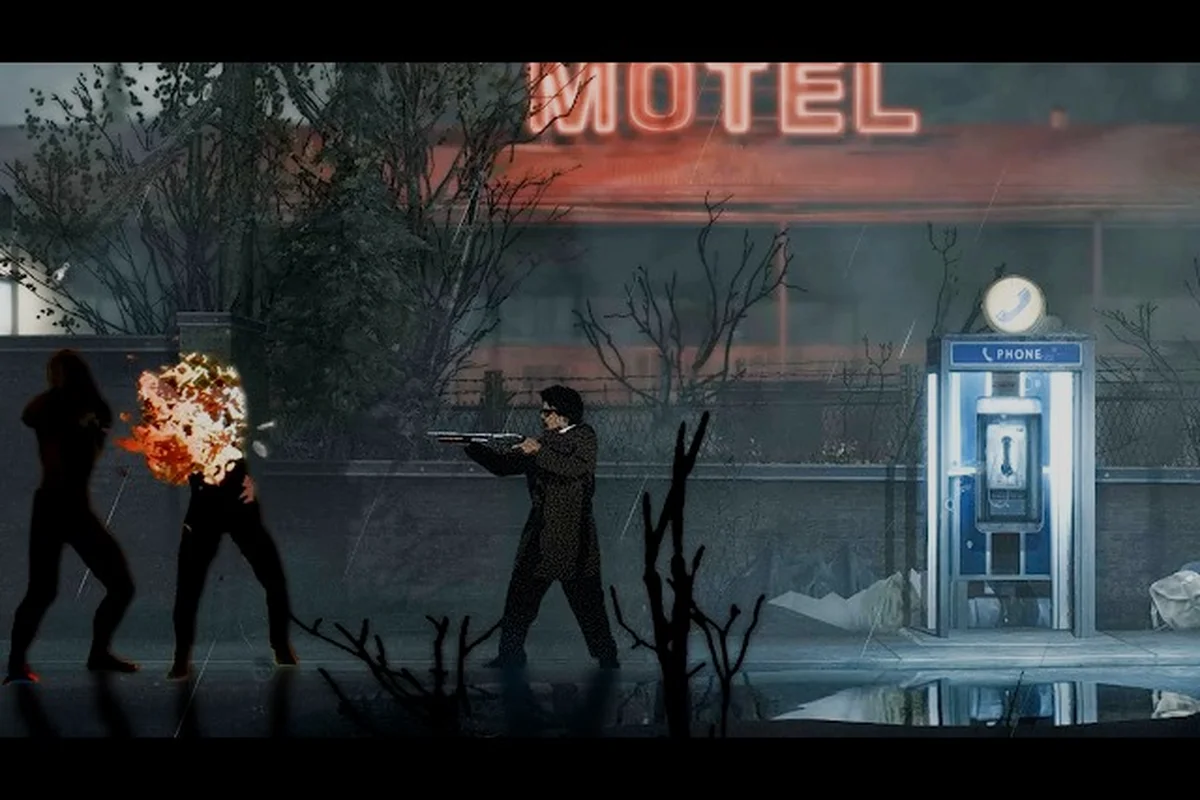
Understanding the creatures that stalk Silver Pines changes how you approach every encounter. The game's enemy notes do more than fill a codex; they encode the exact behavioral rules that determine whether you waste ammunition or slip through a corridor untouched. Reading them carefully reveals a coherent design philosophy where every monster has a readable weakness, a punishable recovery window, and a lore reason for existing in the fog. rmine whether you waste ammunition or slip through a corridor untouched. Reading them carefully reveals a coherent design philosophy where every monster has a readable weakness, a punishable recovery window, and a lore reason for existing in the fog. Once you learn those tells and recovery windows, you can apply the same discipline to whole areas, using the Silver Pines Run Past Enemies Guide to map which encounters are worth engaging and which are better left behind you.
What the Enemy Notes Reveal About Monster Design
The silver pines monster design lore is not hidden in a separate menu or locked behind a late-game archive. It lives inside the enemy notes you collect after each first encounter, and those notes consistently describe three things: the creature's origin, its aggression trigger, and the specific body part or behavior that interrupts its attack cycle. Community reports suggest that most players skip these entries after the first few hours, which is a mistake because the notes often contain the only in-game hint about a monster's stagger threshold.
The design pattern across the bestiary is remarkably consistent. Creatures that look humanoid tend to flinch when struck in the head or upper torso, while quadrupedal or crawling enemies respond to leg hits. The notes frame this as a biological consequence of how the fog warped each creature, rather than an arbitrary gameplay rule. For example, enemies described as former residents retain a human pain response, which means headshots cause a brief stagger even if the damage number is low. Enemies described as feral wildlife or deep fog constructs often ignore headshots entirely and instead react to attacks on their limbs or glowing weak points.
This consistency matters because it means you can predict a new enemy's behavior before fighting it. If the note mentions vestigial eyes, the creature probably relies on sound and will lose track of you when you stop moving. If the note mentions calcified plating, blunt force or a specific tool will outperform standard ammunition. The lore is the tutorial, and the tutorial is the strategy guide.
| Note Keyword | Likely Weakness | Recommended Response |
|---|---|---|
| Former resident | Head/upper torso stagger | Aim high, use single shots |
| Feral wildlife | Legs, flank attacks | Strafe, target limbs |
| Calcified plating | Blunt trauma, heavy tools | Switch to melee or heavy ammo |
| Vestigial eyes | Sound-based tracking | Stop moving, break line of sight |
| Deep fog construct | Glowing core or node | Wait for exposed core, then burst |
The table above is a compressed version of what the notes teach, but the actual entries add context that changes your timing. A creature with vestigial eyes might still hear you reload, so the note about standing still only works if you have already broken line of sight and stopped all input. The design rewards players who treat each note as a behavioral profile rather than a stat block.
Stun Mechanics and the Best Way to Kill Enemies
The silver pines enemy stun guide starts with a simple rule: stun is not random, and it is not tied to a hidden luck stat. Every enemy has a posture or poise value that decreases when you hit specific zones, and the enemy notes often name that zone directly. When the value reaches zero, the creature enters a staggered state that lasts between two and four seconds depending on the monster's size. During that window, your damage is not multiplied, but the enemy cannot attack, reposition, or call for reinforcements.
The silver pines best way to kill enemies is therefore not always the highest-DPS weapon. It is the weapon that breaks posture fastest while leaving enough ammunition for the kill window. Community testing indicates that fast, low-damage weapons build stagger more reliably than slow, heavy weapons against smaller enemies, because the posture system counts hits rather than raw damage for certain creature classes. Against calcified plating enemies, the opposite is true: a single heavy blow removes more posture than five light taps.
Stagger Triggers by Enemy Class
The notes divide enemies into rough classes, and each class has a different stagger trigger. Learning these classes means you can open every fight with the correct tool instead of experimenting while a monster closes distance.
| Enemy Class | Stagger Trigger | Typical Stun Duration | Best Follow-Up |
|---|---|---|---|
| Former resident | Headshot or torso burst | 2-3 seconds | Single precise shot to head |
| Feral wildlife | Leg hit while moving | 2 seconds | Flank shot, then retreat |
| Calcified brute | Heavy blunt impact | 3-4 seconds | Heavy melee or shotgun blast |
| Fog construct | Core exposure hit | 3 seconds | Sustained fire on core |
The staggered state is also the only reliable time to use consumables or reposition without taking damage. Because the fog limits visibility, many players waste healing items mid-fight only to be interrupted. Waiting for a stagger converts a risky action into a safe one, which is why the stun mechanic doubles as a resource-management tool.
Why Knockdown Is Different From Stun
The silver pines enemy knockdown guide addresses a separate mechanic that players often confuse with stun. Knockdown happens when a specific type of force—usually a heavy melee swing, a shotgun blast at close range, or an explosive—sends the enemy to the ground. A knocked-down enemy stays down longer than a staggered one, typically four to six seconds, but it also gets up with a brief enrage response that increases its aggression for a few seconds.
This trade-off means knockdown is not always the correct choice. Against a lone enemy, the extended downtime lets you reload, heal, or land a full damage combo. Against a group, knocking down one creature while two others advance can leave you out of position when the downed enemy rises. The notes for larger enemies sometimes warn that they cannot be knocked down, only staggered, which prevents you from wasting heavy ammunition on a mechanic that will never trigger.
| Action | Stun | Knockdown |
|---|---|---|
| Trigger condition | Posture break via zone hits | Heavy force or explosive |
| Duration | 2-4 seconds | 4-6 seconds |
| Enemy response after | Returns to normal | Brief enrage period |
| Works on all enemies | Yes, with correct zone | No, some enemies immune |
| Best use | Safe heal/reposition | Reload or full combo |
The distinction matters because the best way to kill enemies in Silver Pines is often to chain a knockdown into a stagger, not to rely on either alone. A heavy blow that knocks a creature down gives you time to switch to a fast weapon and begin building posture for the next stagger before the enemy fully recovers.
Can You Sneak Past Enemies Instead of Fighting?
The question behind silver pines can you sneak past enemies has a nuanced answer: yes, but only against specific enemy types and only when you respect their sensory rules. The game does not have a dedicated stealth button or a crouch toggle that universally reduces detection. Instead, stealth emerges from the same behavioral notes that govern combat. Enemies with vestigial eyes track by sound, so moving slowly and avoiding reloads lets you pass them even in narrow corridors. Enemies described as territorial will not chase you beyond a certain distance, so backing away and taking a longer route is a valid form of sneaking.
The silver pines enemy notes for lore are the primary source for learning which creatures can be bypassed. Notes that mention poor hearing, fixed patrol path, or light-sensitive are effectively stealth instructions. A creature that is light-sensitive will investigate your flashlight beam, which means turning off the light and navigating by ambient glow is the stealth mechanic. A creature with a fixed patrol path can be waited out, because it will eventually turn away and open a gap.
| Note Descriptor | Stealth Implication | Success Rate (Community Reports) |
|---|---|---|
| Vestigial eyes | Stop moving, break line of sight | High if no reload noise |
| Territorial | Back away, find alternate route | High if you retreat early |
| Light-sensitive | Turn off flashlight | Moderate, requires map knowledge |
| Fixed patrol path | Wait for gap, then move | High with patience |
| Pack hunter | Do not attempt stealth | Very low, fights are inevitable |
The silver pines stealth guide expands on the sound and music cues that signal detection, but the core principle is that stealth is a knowledge check rather than a reflex test. If you have read the note and identified the sensory weakness, sneaking past an enemy saves ammunition and health. If you have not, you will likely trigger the encounter and be forced to fight on the enemy's terms.
Enemy Notes as a Progression System
The silver pines monster design lore also functions as a soft progression system. Each note you collect permanently improves your ability to handle that enemy type, even though no stat changes on your character sheet. This is a deliberate design choice: the developers placed the power increase in the player's knowledge rather than in a level-up screen, which means a well-read player with basic equipment can outperform a poorly informed player with endgame gear.
The notes are not all available from the start. Some entries require you to defeat a creature a certain number of times, while others appear only after you observe a specific behavior, such as a feeding animation or a territorial display. This encourages observation over pure combat, and it means the codex fills in gradually as you engage with the world rather than rushing through it.
| Note Unlock Method | Example | Benefit |
|---|---|---|
| First kill | Basic enemy profile | Reveals stagger zone |
| Multiple kills | Advanced behavior notes | Reveals patrol and sensory rules |
| Observation | Feeding or idle animation | Reveals weakness not visible in combat |
| Story progression | Boss and rare enemy notes | Reveals full lore and mechanics |
The silver pines enemy guide covers the full enemy list and where each type appears, but the notes themselves are the deeper layer. A player who reads every entry will notice that the fog does not create monsters randomly; it transforms existing residents and wildlife according to consistent rules. That consistency is what makes the lore feel earned rather than arbitrary.
Practical Combat Flow Using Notes, Stun, and Knockdown
Putting the systems together creates a repeatable combat flow that works across most encounters. The first step is always identification: recognize the enemy type from its silhouette or sound, then recall the relevant note. The second step is engagement: open with the tool that builds stagger or triggers knockdown, depending on the enemy's class. The third step is exploitation: use the stagger or knockdown window to heal, reload, reposition, or land a burst. The fourth step is decision: after the enemy recovers, choose whether to continue the fight or retreat, based on ammunition, health, and whether the creature can be bypassed.
This flow is not a rigid rotation but a set of priorities. Against a former resident, you prioritize headshots because they both damage and stagger. Against a calcified brute, you prioritize heavy blows because light hits do little to posture. Against a pack hunter, you prioritize positioning because knockdown on one enemy does not stop the other two. The notes teach you which priority applies, and the mechanics reward you for following it.
A Sample Encounter Breakdown
Consider a corridor with one feral wildlife enemy and one territorial enemy further ahead. The feral creature reacts to movement, so you stop and let it pass. The territorial creature will not chase beyond its zone, so you back away and take the side route. No ammunition spent, no health lost, and both notes were the key to the solution. If you had fought the feral creature, you would have spent ammunition and possibly alerted the territorial one, turning a quiet passage into a two-front fight.
The silver pines run past enemies guide covers the movement and dodge patterns that help when stealth fails, but the note-driven approach prevents most failures before they start. The game consistently rewards players who treat every enemy as a puzzle with a readable solution, which is the clearest expression of the monster design philosophy.
Frequently Asked Questions
What is silver pines monster design lore?
Silver pines monster design lore is the in-game backstory and behavioral rules attached to each enemy type. The notes explain how the fog transformed residents and wildlife, and they encode gameplay mechanics like stagger zones, sensory weaknesses, and aggression triggers. Reading them turns combat into a knowledge-based system rather than a reflex test.
How do I unlock all enemy notes in Silver Pines?
Most notes unlock after your first kill of an enemy type, but advanced entries require multiple kills or observing specific behaviors like feeding or territorial displays. Story progression unlocks boss and rare enemy notes. The codex fills gradually as you engage with the world, so rushing through areas will leave gaps in your bestiary.
What is the best way to kill enemies in Silver Pines?
The best way to kill enemies is to break their posture using the correct zone, then exploit the stagger window. Fast weapons build stagger on smaller enemies, while heavy blunt force works on calcified brutes. Chaining a knockdown into a stagger gives you the longest safe window for damage or recovery.
Can you sneak past enemies in Silver Pines?
Yes, but only against enemies with specific sensory weaknesses. Creatures with vestigial eyes track by sound, so stopping movement and breaking line of sight lets you pass. Territorial enemies will not chase beyond their zone, and light-sensitive creatures lose track when you turn off your flashlight. Pack hunters cannot be bypassed reliably.
Does knockdown work on every enemy?
No. Some larger enemies are immune to knockdown and can only be staggered. The enemy notes usually warn you when a creature cannot be knocked down, which prevents you from wasting heavy ammunition on a mechanic that will never trigger. Knockdown also causes a brief enrage period after the enemy rises.